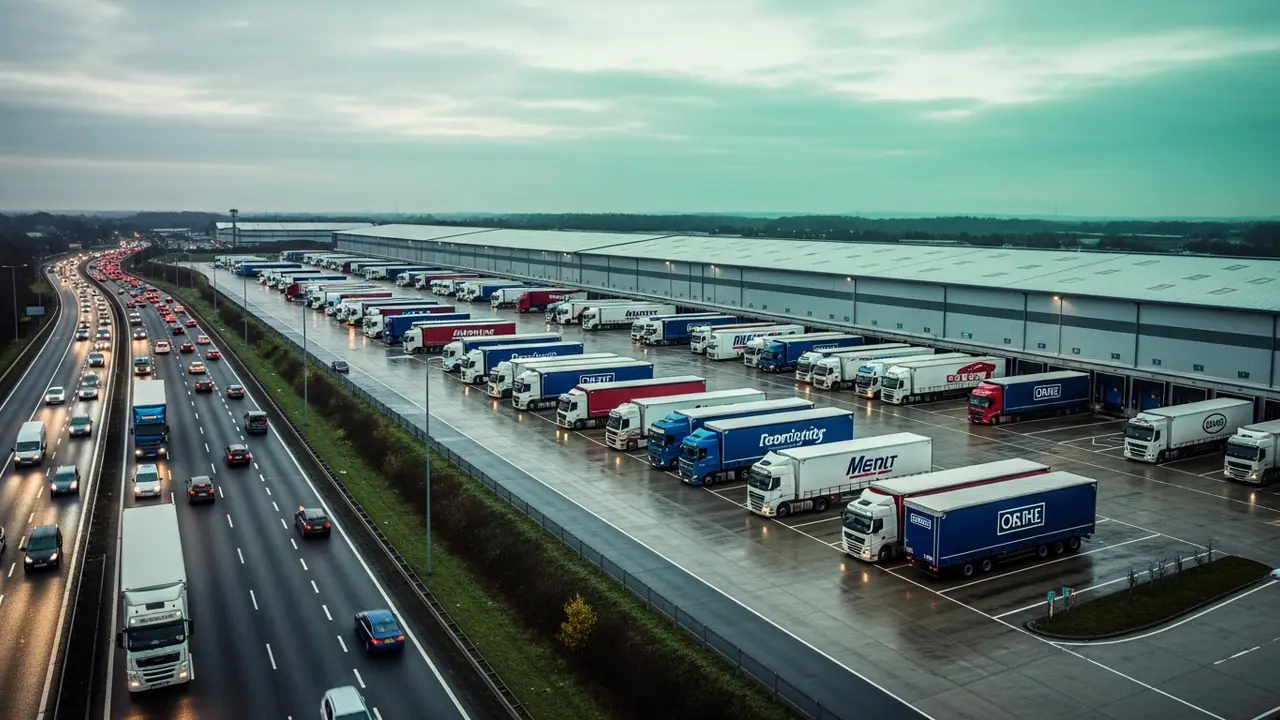
The UK's logistics sector has been described as a stabilising force for the wider economy, keeping goods moving for businesses and households through a period of real turbulence.

Rachel's take
When a sector contributes £175 billion a year, the commercial talent inside it should be valued accordingly. Too many firms still under invest in the people who actually bring the revenue in.
Rachel Lunn, Founder, EvaraA sector that kept moving
According to the latest annual logistics report, the sector now contributes around £175 billion a year to the economy, a rise of roughly three percent year on year. It also employs close to eight percent of the national workforce.
The findings landed against a backdrop of trade tariffs, conflict overseas and continued supply chain pressure. Rather than stalling, operators rerouted goods, absorbed shocks and kept essential supplies flowing.
Why the framing matters
Calling logistics the engine room of the economy is more than a slogan. It reflects how much of the country's growth now depends on the people and businesses that move, store and handle goods.
For the intralogistics ecosystem specifically, material handling, warehouse automation, storage and supply chain technology, it is a reminder that demand for skilled commercial talent tends to follow the sector's strategic importance.
What this means for commercial teams
- Rising sector confidence usually pulls hiring plans forward, especially for commercial and sales leadership.
- Businesses that move early on talent tend to secure the best people before competitors react to the same headlines.
This summary is based on reporting by Materials Handling & Logistics News. Read the original article.