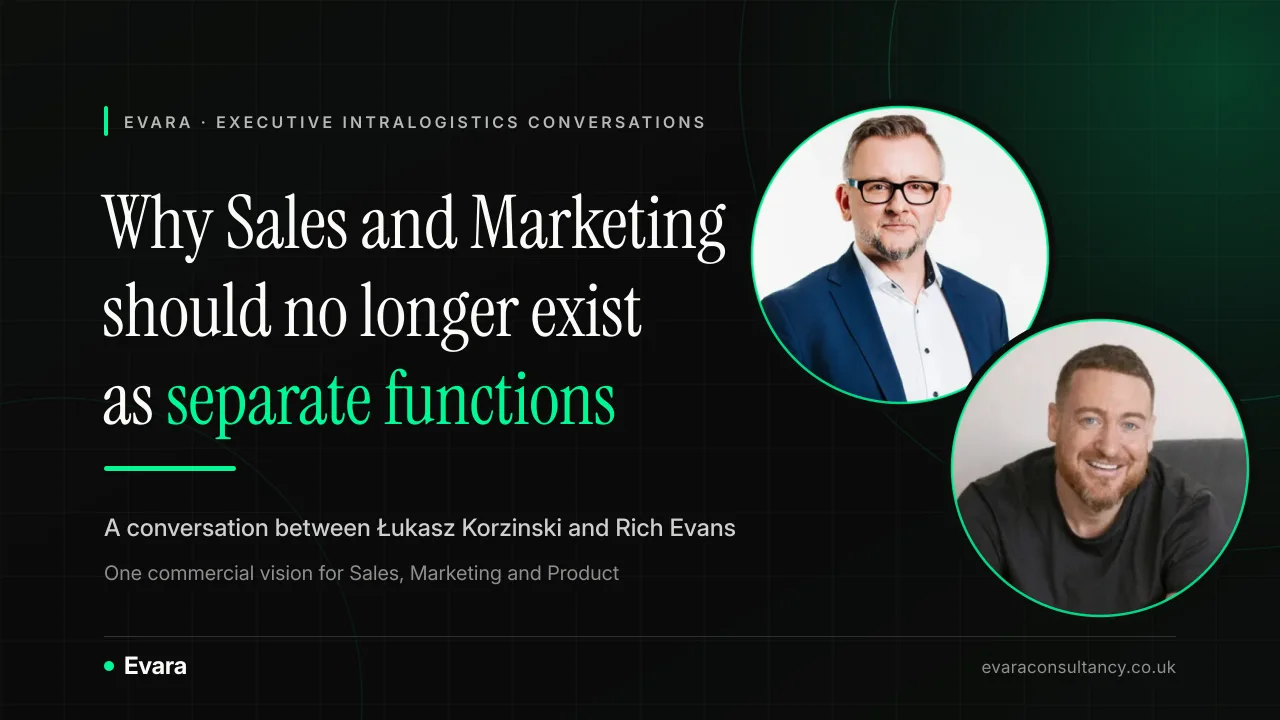
For years, businesses have treated Sales and Marketing as separate functions. Marketing built the brand. Sales closed the deals. That model no longer reflects how modern commercial organisations succeed. During a recent conversation between Łukasz Korzinski, former Global Director of Marketing & Communications for Kardex AutoStore, and Rich Evans, Co-Founder of Evara Consultancy, one message became clear: the future belongs to businesses that unite Sales, Marketing and Product under one commercial vision. Below are the key themes from that discussion.
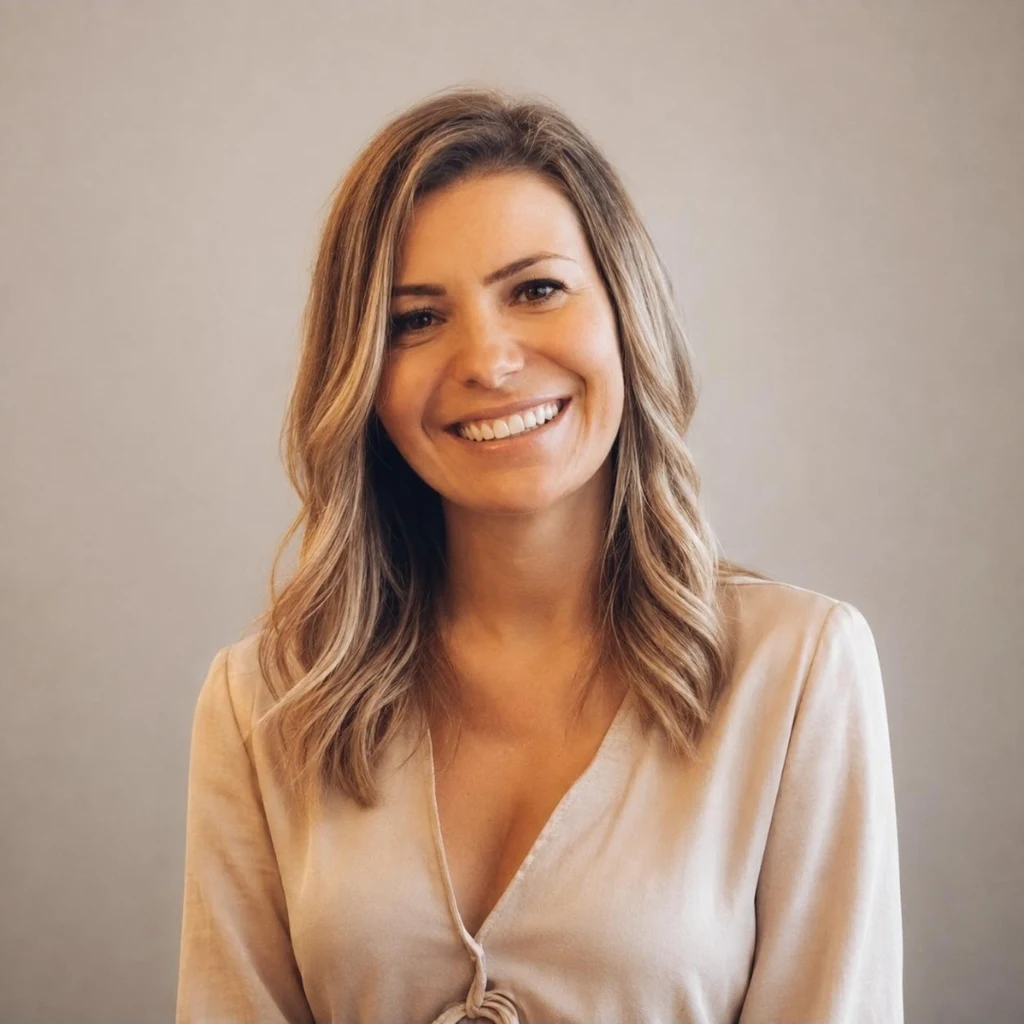
Rachel's take
Almost every search brief I take still describes a sales leader OR a marketing leader, as if the two can succeed apart. The leaders commanding the strongest packages right now are the ones who can own the whole revenue engine, and this conversation explains exactly why.
Rachel Lunn, Founder, EvaraSales is one-to-one. Marketing is one-to-many.
One of the first points the two agreed on was that Sales and Marketing ultimately exist to achieve the same outcome.
As Rich explained: "I've always seen sales as one-to-one, and marketing as one-to-many. They're solving the same problem, just at different scales."
Łukasz agreed, adding that marketing creates the greatest value when it works alongside sales rather than independently. He also noted that the rapid adoption of Account-Based Marketing (ABM) across enterprise B2B reflects this shift.
By applying one-to-one marketing principles to strategically selected accounts, ABM brings marketing and sales much closer together, enabling more relevant engagement, stronger alignment and greater commercial impact through a deeper understanding of customer buying journeys.
When marketing works hand in hand with sales, gathering buying signals and understanding customer behaviour, that's where the value is created.
The modern marketer should no longer be judged solely on campaigns or lead generation. They should influence commercial strategy.
The future isn't Sales vs Marketing. It's revenue.
Łukasz believes many organisations are still structured around an outdated model.
"If an organisation separates Marketing and Sales without one commercial leader, they're keeping Marketing as a support function instead of a growth function."
Rather than separate departments with different objectives, organisations should increasingly be thinking about roles where Product, Sales and Marketing operate towards the same commercial goals.
Chief Revenue Officer
One leader accountable for the whole revenue engine, from demand creation to closed business and customer growth.
Head of Commercial
Sales, marketing and product decisions made against one commercial plan rather than three competing ones.
Head of Growth
A mandate defined by outcomes, not by which department owns the activity.
Marketing needs to leave the office
One of the strongest themes throughout the discussion was customer proximity. Too many marketing teams remain disconnected from the people they serve.
Łukasz explained: "In commercially driven organisations, marketing leaders should ensure marketers spend time with customers, listen to sales conversations and gain firsthand insight into the buying journey."
Marketing should never rely solely on dashboards and reports. It should experience customers first hand. Those insights create better messaging, stronger campaigns and ultimately better commercial decisions.
Industrial sales cycles demand different thinking
Industrial automation isn't ecommerce. Enterprise projects often take 12 months to win. Some require another 12 months before implementation even begins. That changes everything.
As Łukasz explained: "In B2B industrial markets you don't generate a lead on Monday and close a deal on Friday. Marketing has to support every stage of a very long commercial journey."
Brand awareness. Education. Demand generation. Sales enablement. Customer advocacy. Every stage matters.
Branding isn't dead. It's becoming more important.
Artificial intelligence is changing how buyers research suppliers.
According to Łukasz: "Branding is becoming more important again because customers increasingly receive information before they even visit your website."
As AI search continues to evolve, organisations with trusted brands and authoritative expertise will gain an even greater competitive advantage.
Technology doesn't transform businesses. People do.
Although AI naturally entered the conversation, both agreed that technology alone changes very little.
Rich commented: "The biggest transformation isn't the tools. It's helping people change how they work."
Łukasz referenced Intent-Based Leadership, developed by former US Navy submarine commander David Marquet, as one philosophy that shaped how he developed international marketing teams. Rather than creating dependency on managers, leaders create ownership.
People shouldn't wait for decisions. They should come with intent, solutions and ownership.
That philosophy helped develop future leaders throughout his global organisation.
Great leaders build people
Asked what excites him about his next opportunity, Łukasz didn't mention salary, benefits or job title. Instead, he spoke about impact.
"I feel more like a leader than a manager," he said. "Helping people grow is one of the greatest feelings as a leader. You influence not only their career but how they see themselves."
It's a philosophy that reflects his career, leading international teams across Europe, the Middle East, Africa, APAC and North America.
The biggest companies aren't always the fastest
The two also discussed innovation within intralogistics. Large organisations often possess incredible resources. Smaller organisations often possess greater agility.
As Rich observed: "The biggest companies are often the slowest to change. Meanwhile, smaller, more agile businesses are making huge gains because they can move faster."
In many industries today, speed of execution is becoming a greater competitive advantage than size alone.
Final thoughts
Perhaps the biggest takeaway from the conversation was this: Marketing is no longer responsible for brochures, exhibitions or generating leads in isolation. Sales is no longer responsible solely for closing deals.
The organisations that will outperform over the next decade will be those that unite Sales, Marketing and Product around one shared objective: creating customer value and driving sustainable commercial growth.
Marketing should be close to commercial. It should understand the customer, understand the business and help drive growth.
Building a commercial leadership team for the next decade, or rethinking how Sales and Marketing work together? Talk to Evara.
Book a callAbout the conversation
Rich Evans is Co-Founder of Evara Consultancy, a commercial growth advisory and executive search partner specialising in the UK and European intralogistics sector. Evara works with founders, investors and executive leadership teams on commercial growth, leadership strategy and executive appointments, while publishing conversations that explore the future of sales, marketing and leadership within industrial automation.
Łukasz Korzinski is an international commercial and marketing transformation leader with more than 15 years' experience driving growth across Europe, the Middle East, Africa, APAC and North America. Most recently serving as Global Director of Marketing & Communications, AutoStore at Kardex, he has led digital transformation, demand generation and commercial strategy across complex B2B industrial markets.
This article is part of the Evara Executive Intralogistics Conversations series, where industry leaders share ideas shaping the future of intralogistics, automation and commercial leadership.
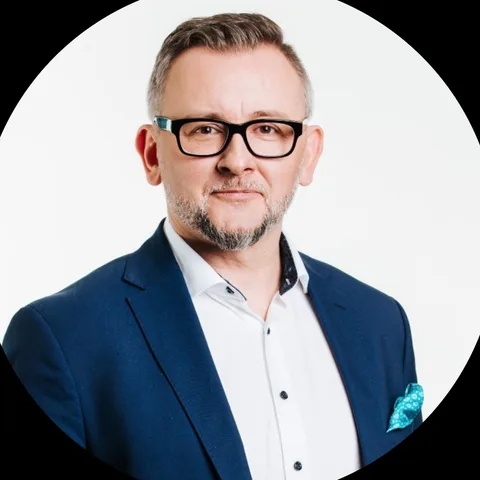
Łukasz Korzinski
Former Global Director of Marketing & Communications, Kardex AutoStore
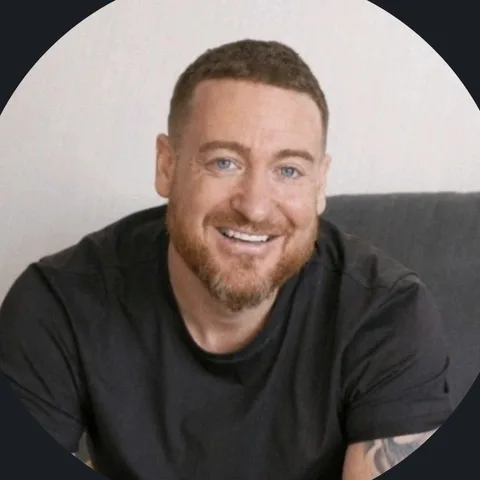
Rich Evans
Co-Founder, Evara
Co-Founder, Evara